
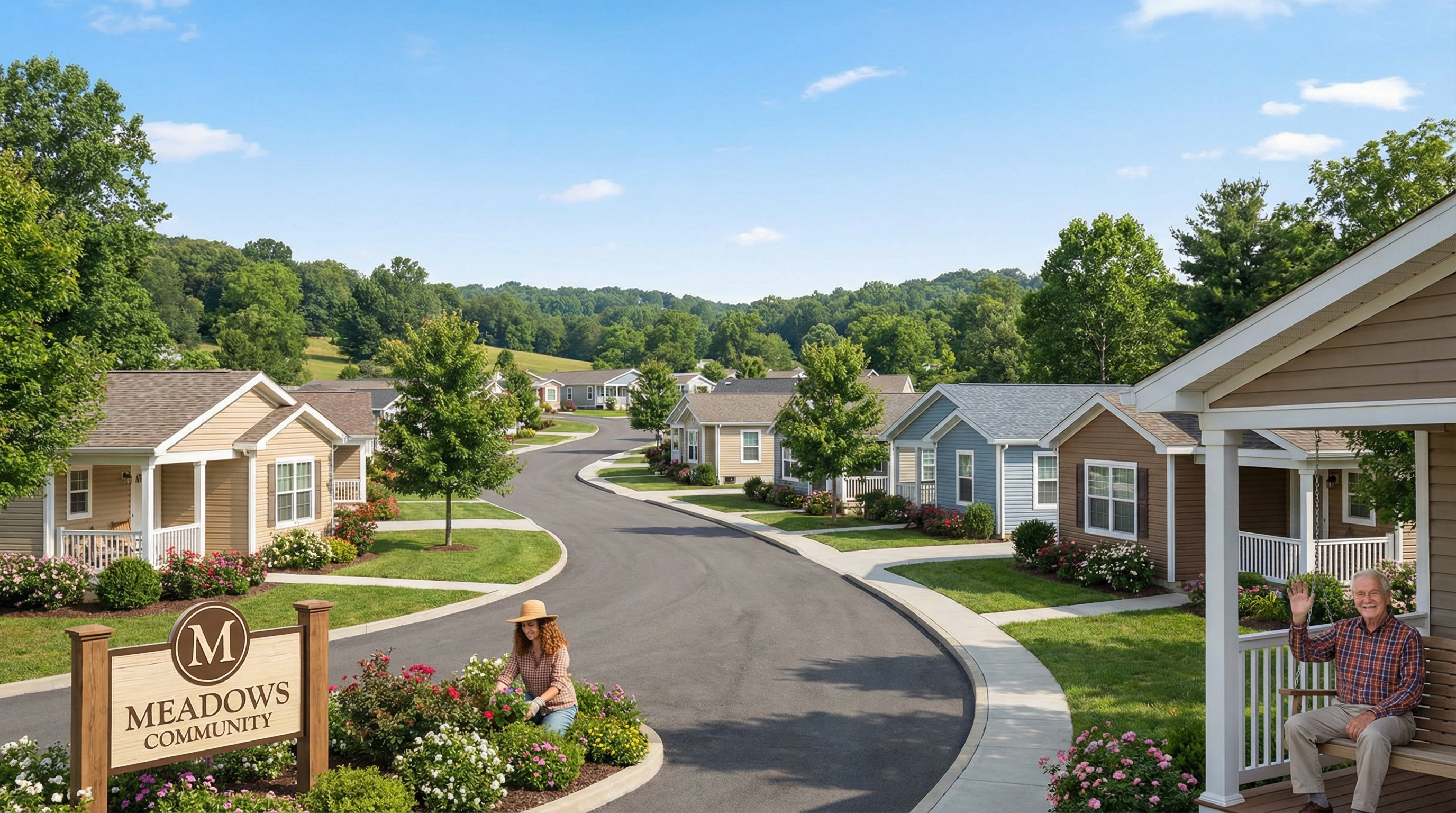

Manufactured homes play an important role in affordable housing, especially in markets with limited inventory and rising home prices. However, many buyers are unsure how manufactured homes work, how they differ from mobile homes, and what financing options are available.
Understanding how manufactured homes are classified, titled, and financed is critical to avoiding surprises and making confident homebuying decisions.
A manufactured home is a factory-built home constructed after June 15, 1976, when federal HUD safety and construction standards went into effect. These homes are built to strict guidelines and transported to the property, where they are installed on a foundation.
Key characteristics include:
Manufactured homes are not the same as modular homes or older mobile homes, though the terms are often confused.
One of the most common misconceptions is that all factory-built homes are “mobile homes.”
The key difference:
This distinction matters because it directly impacts financing eligibility, appraisal requirements, and lender options.
How a manufactured home is financed depends heavily on where it sits.
When a manufactured home is placed on land owned by the borrower and permanently affixed to a foundation, it can often be financed like a traditional home—depending on loan type and property details.
These scenarios may qualify for:
Homes located in parks or communities on leased land typically require chattel loans or specialty financing, which differs from traditional mortgages.
Understanding land ownership upfront is critical.
Manufactured homes can be classified in two ways:
Most traditional mortgage programs require manufactured homes to be real property. Classification affects interest rates, loan terms, and lender availability.
Financing options vary depending on:
Possible loan options include:
Each program has specific requirements, which is why lender experience matters.
Manufactured homes offer several advantages:
For many buyers, manufactured homes provide a realistic path to homeownership that traditional housing cannot.
Some of the most common manufactured home mistakes include:
Working with a lender who understands manufactured housing helps avoid delays and denied applications.
Seattle Mortgage Pros specializes in manufactured home lending, including homes on owned land, in-park chattel loans, and complex scenarios other lenders often decline.
We help buyers and homeowners:
Our goal is clarity, not confusion.
Manufactured homes are a vital part of today’s housing market, but financing them requires knowledge and precision. With the right guidance, these homes can offer affordability, stability, and long-term value.
Understanding the details upfront empowers buyers to move forward with confidence.
.png)
.png)
.png)

