
Branch Manager // Sr. Loan Officer · NMLS 1916659
If you are financing a manufactured or mobile home in Washington, you will run into two words that sound like alternatives you get to pick between: chattel and mortgage. They are not. Which one applies is usually decided before you ever speak to a lender, by facts about the property that are already true.
Understanding what actually separates them is the difference between shopping the right product and being told no by four lenders in a row without being told why.
What is the actual difference between a chattel loan and a mortgage?
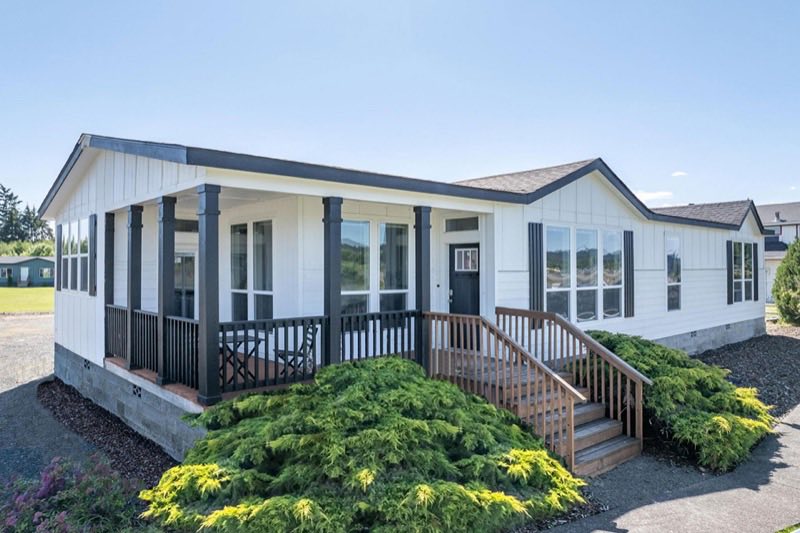
A chattel loan is secured by the home alone, as personal property. A mortgage is secured by real property — the land, and whatever the law treats as permanently part of it. The distinction is legal rather than physical: it turns on how the home is titled, not on how it looks or how well it is built.
That single difference drives almost everything else. A mortgage is recorded with the county auditor against a legal description of the land. A chattel loan is secured against a title held through the Washington State Department of Licensing, much closer to how a vehicle is titled than to how a house is. Different registry, different foreclosure process, different consumer protections, different lenders.
The vocabulary does not help. Lenders and sellers both say chattel mortgage, which sounds like a variety of mortgage and is not one. Read it as chattel: the home, on its own.
| Chattel loan | Mortgage | |
|---|---|---|
| What secures it | The home only | The home and the land together |
| How the home is titled | Department of Licensing title | Recorded with the county as real property |
| Who owns the land | The park, or another landowner | You |
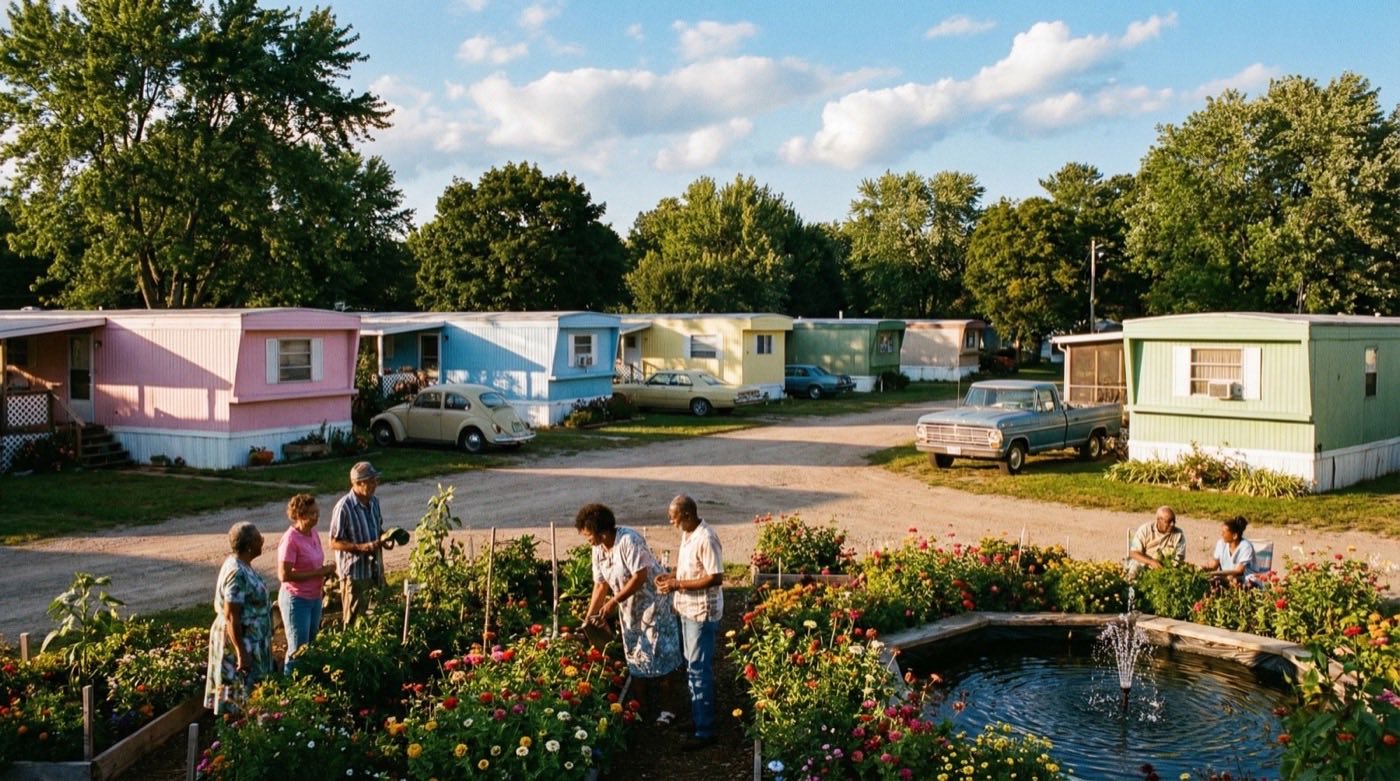
| Typical setting | A home on a leased space in a manufactured home community | A home permanently affixed to land you own |
| Loan terms | Shorter, and generally priced higher than mortgage financing | Longer, and generally priced lower |
| Lenders who write them | Specialty and portfolio lenders | Most banks, credit unions and wholesale lenders |
| Agency programs | Very limited | FHA, VA, USDA, Fannie Mae and Freddie Mac all available if the home qualifies |
| Loan Estimate required | No — see below | Yes |
How do I know which one applies to my home?
Check the title. If the home still has a Department of Licensing title in someone's name, it is personal property and chattel financing applies. If that title has been eliminated and the home is recorded with the county alongside the land, it is real property and you are looking at a mortgage.
This is worth confirming rather than assuming, because sellers get it wrong constantly and in good faith. A home can sit on a permanent foundation, have its axles removed, be connected to county utilities, and have been in one place for thirty years — and still be personal property, because nobody ever filed the paperwork. The physical facts do not convert it. The filing does.
The reverse also happens. Buyers assume that because a home is old or was once mobile, it must be a chattel deal, when the title was eliminated years ago and conventional financing was available all along.
Why does owning the land change the financing this much?
Because it changes what the lender can foreclose on. A mortgage lender holds a claim against land, which cannot be moved, hidden, or driven away, and which historically holds value. A chattel lender holds a claim against a structure sitting on ground that belongs to somebody else, under a lease that has an end date.
That is also why park conditions matter to a chattel underwriter in a way they never would to a mortgage underwriter. The remaining term on the lease, the space rent, the park's ownership and its approval of you as a resident are all part of the file. You can have flawless credit and stable income and still have the loan turn on facts about a park you do not control.
Lease term is the part that catches people out. A lender is not usually willing to write a loan that outruns the ground beneath it, so a short remaining term on the space can shorten the loan or end the conversation. Communities differ a great deal in how long a term they will commit to, and it is a better question to ask early than to discover at underwriting.
It is a real constraint, not a reason to avoid the product. In-park homes are one of the few genuinely attainable ownership routes left in the Puget Sound, and chattel financing is what makes them buyable. It just needs a lender who writes them routinely.
Can a chattel-financed home become a mortgaged one later?
Yes, but only through a specific legal step. The home has to be permanently affixed to land you own, and the Department of Licensing title has to be eliminated under Chapter 65.20 RCW, after which the county auditor records the home together with the land and it is treated as real property as though it were site-built.
Without that step the home remains personal property no matter how permanent it looks. With it, the whole agency menu opens up.
Valuation works differently on either side of the line, too. Real property is appraised against comparable land-and-home sales. In-park homes are generally valued against sales of similar homes in similar communities — a thinner, more local set of comparables. Two homes that look identical can be valued quite differently depending on which category they fall into.
The catch is the land. If the home sits on a leased space in a park, converting means moving it onto ground you own, which is expensive, sometimes impossible depending on the home's age and condition, and needs to be planned rather than discovered halfway through.
Which loan programs work with each?
Mortgages on manufactured homes reach the full range: FHA, VA, USDA, Fannie Mae and Freddie Mac all lend on them when the home is real property, meets the HUD Code, and satisfies the program's foundation and condition rules. Chattel lending is a much shorter list, written mostly by specialty and portfolio lenders.
One narrow exception is worth knowing about. FHA's Title I program was built for this exact situation — manufactured homes financed as personal property, including on leased sites — but lender participation in it has long been thin, and most in-park financing in practice is written outside it.
The HUD Code date is the other gate, and it catches people out. Homes built before June 15, 1976 carry no HUD certification label, and the agency programs exclude them outright — which is why pre-HUD homes need their own path, and why "manufactured", "mobile" and "pre-HUD" are not interchangeable words. Our guide to manufactured home financing walks through how those classifications interact.
Will I get a Loan Estimate on a chattel loan?
Probably not, and this is the difference borrowers are least prepared for. The Loan Estimate requirement in 12 CFR §1026.19(e)(1)(i) applies to closed-end consumer credit secured by real property or a cooperative unit. A loan secured only by personal property falls outside it. Chattel borrowers usually receive disclosures under §1026.18 instead.
The practical effect is that the clean, standardized, page-one-comparable document that makes mortgage shopping possible may simply not exist for your loan. You can still compare offers, but you have to do it by asking each lender the same questions in the same order rather than laying two forms side by side. If you have not seen how that document is structured, our walkthrough of reading a Loan Estimate is a useful baseline for what to ask for even when the form itself is not required.
So which one is better?
Neither, because for any given property they are almost never both on the table. The property decides. What you actually control is whether you are working with a lender who writes the one your property needs — and whether you understand, before you commit, which of the two futures you are buying into.
If you are not sure which category your home falls into, that is a five-minute conversation and a look at the title, not a loan application.
Frequently asked questions
Is a chattel loan a mortgage?
No. A mortgage is secured by real property — land, and whatever is legally part of it. A chattel loan is secured by the home alone, as personal property, while somebody else owns the ground beneath it. They are different instruments recorded in different places, not two names for one product.
Can I get a chattel loan on land I own?
Sometimes, though it is unusual. Chattel lending exists because the borrower does not own the land, so if you do own it, converting the home to real property and financing both together is normally the stronger route. It widens the lender pool considerably and changes the terms available.
Does a chattel loan build equity?
Yes, in the home. What it does not build is equity in land, because you are not buying any. That is the practical difference over time: a mortgaged home has two assets behind it, and a chattel-financed home in a park has one, on ground rented from somebody else.
Can I convert a chattel loan to a mortgage later?
Only if the home ends up permanently affixed to land you own and the Department of Licensing title is eliminated under Chapter 65.20 RCW. Moving a home out of a park is expensive and not always possible, so treat this as a path to plan for deliberately rather than assume.